Caught a Partner Cheating: How to Respond Calmly

Reading time: 5 minutes
A text on their phone, an unfamiliar scent on their collar, a sudden fumbling for excuses over the simplest questions. When you've caught a partner cheating, the ground can feel like it's disappearing from under you in an instant. The good news: how you react in those first hours and days largely determines whether you stay in control or spiral into panic and accusations.
This article gives you concrete steps to help you keep a clear head. It's not about suppressing your feelings, but about channeling them so you don't make impulsive decisions you'll regret later.
Caught a Partner Cheating: The First 24 Hours Matter Most
The first instinct after discovering an affair is usually to confront your partner immediately. That's exactly what you should avoid while your emotions are still running high. In a state of shock, words often come out sounding harsher than you meant them to.
Give yourself at least one night before starting that conversation. Instead, write your thoughts down, even if it's just three bullet points on a notepad. This helps you break free from the mental loop and approach the conversation with more clarity.
Why Reacting Immediately Rarely Ends Well
A spontaneous confrontation often triggers counterattacks or flat denial. Your partner feels cornered and responds defensively instead of honestly. If you approach the conversation prepared and calm, your chances of an open, honest exchange rise significantly.
How to Correctly Read the Signs of an Affair
Not every suspicious behavior automatically means infidelity. Before you assume a confirmed affair, it's worth taking a sober look at the facts. Work stress, a personal crisis, or simple secretiveness can produce symptoms that look a lot like cheating but aren't.
Common signs that are often mentioned, but carry little weight on their own:
- Their phone is suddenly locked with a passcode or constantly turned face-down
- Unexplained absences backed by shifting excuses
- Emotional distance despite an otherwise normal daily routine
- A sudden new interest in appearance or fitness with no obvious reason
Only when several of these signs appear together and repeat over several weeks does a suspicion turn into a pattern worth taking seriously. If you suspect your partner is cheating, keep in mind that some people deliberately cover their digital tracks, as described in our article on Digital Traces during an affair.
Caught a Partner Cheating: How to Prepare for the Conversation
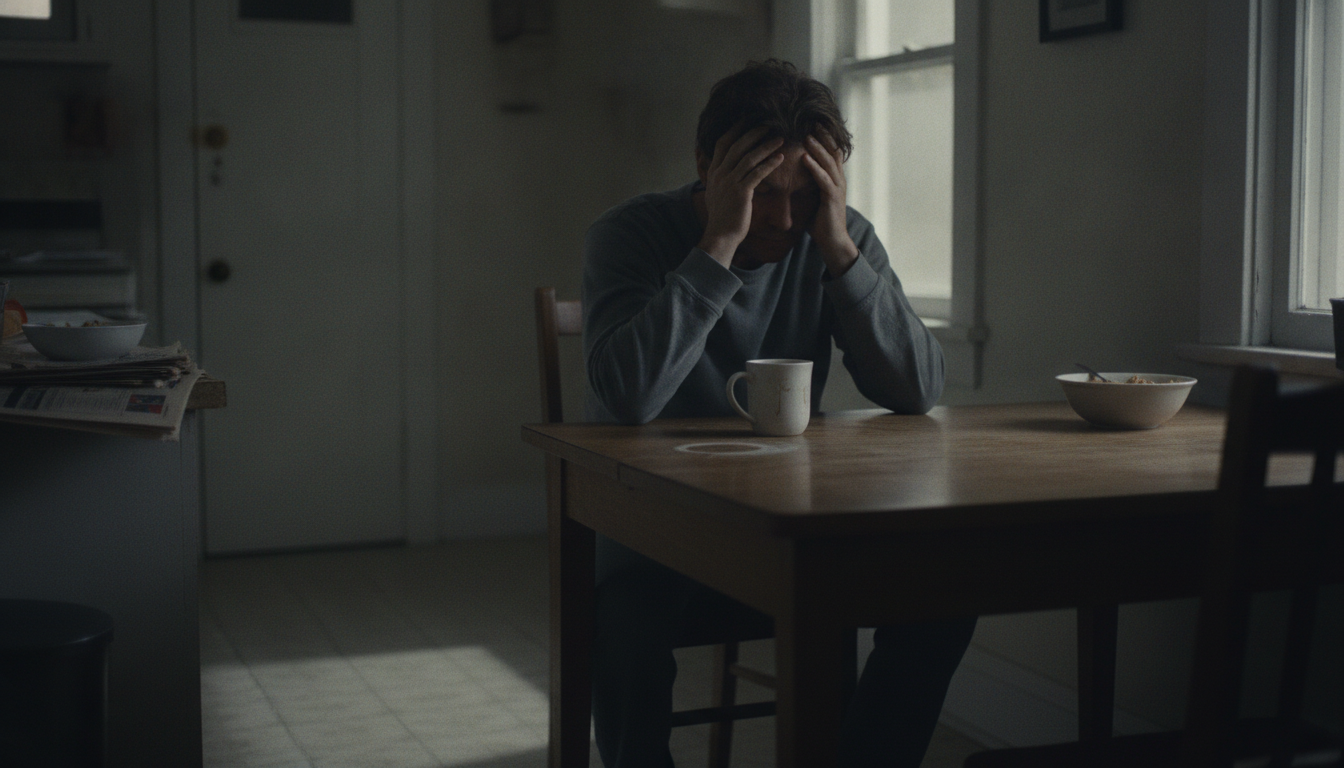
If you've caught a partner cheating and decide to bring it up, pick a moment without time pressure. A Sunday evening right before a workday is a bad choice; a quiet weekend works much better. Describe your observations in concrete terms instead of throwing out vague accusations.
Say something like: "I saw the messages on your laptop, and I want to understand what that means." That's more specific and more honest than a blanket "I know you're cheating." According to a 2021 survey by a German research institute, around 40 percent of respondents admitted they had been unfaithful or had an affair at some point — a reminder of just how common this issue actually is in relationships.
Questions That Actually Help During the Conversation
Don't just ask who and how often — ask why. An affair is often rooted in an unmet need that went unspoken for too long. That doesn't excuse anything, but it can help you understand whether the relationship has a future at all.
Your Partner Had an Affair: Decisions You're Now Facing
Once your suspicion has been confirmed, you're faced with the question: stay or go. This isn't a decision to make in the heat of the moment. Give yourself a timeframe, say two to four weeks, to let things settle before acting on impulse.
During this period, professional couples counseling can help, especially if children or a long shared history are involved. Many counseling centers offer sessions specifically focused on trust crises in relationships. If you're wondering whether an affair can actually strengthen a relationship, you'll find different perspectives in our article Affair Saved the Relationship.
If the Relationship Is Getting a Second Chance
Continuing the relationship only works if both people are genuinely willing to put in the work. That means full transparency for a certain period and real remorse, not just empty words. Without that foundation, the pattern tends to repeat itself.
Suspecting an Affair Without Proof: What Now?
Sometimes all you have is a vague gut feeling, with nothing clearly confirmed. In that case, open communication is the only way forward. Accusations without substance can damage trust just as much as an actual affair.
Instead, talk about your uncertainty without jumping straight to blame. A sentence like "I feel like something has shifted between us, and it's been worrying me" opens the door to an honest conversation. If you want to understand the dynamics behind infidelity in general, our article What Is an Affair? offers a thorough breakdown.
Don't Forget Self-Care

When you've caught a partner cheating, it's easy to forget about yourself in the emotional chaos. But this is exactly the moment to pay attention to your own mental state. Lack of sleep and endless overthinking only make things worse.
Small routines like a morning walk or mindful breathing can help ease the tension. If you'd like to go deeper, our article on Learn Mindfulness offers practical exercises designed for exactly this kind of crisis.
Frequently Asked Questions
What should I do if I've caught a partner cheating but have no clear proof?
Talk openly about what you've noticed without jumping straight to accusations. A calm conversation often clarifies more than secret investigating ever could.
How long should I wait before confronting my partner?
At least one night, so you're not reacting purely out of emotion. Use this time to sort through your thoughts.
Can a relationship survive after an affair?
Yes, if both partners are willing to actively rebuild trust and transparency. Without that commitment, the pattern usually repeats itself.
Should I tell friends and family about the affair right away?
No, give yourself time to process it first before involving others. Going public too quickly can make a calm resolution much harder later on.
Which signs really point to cheating?
Isolated behaviors like a suddenly locked phone aren't enough on their own. Only a recurring pattern over several weeks counts as a serious warning sign.
Conclusion: Staying Level-Headed Protects You From Rash Mistakes
When you've caught a partner cheating, every minute can feel like an eternity. Still, it's worth taking a breath before acting, since rushed reactions usually make the crisis worse. Take time to talk things through, seek professional support if needed, and listen to your own needs.
If you're unsure what comes next for your relationship, that's completely normal and doesn't require an immediate answer. Take your time to figure out which steps feel right for your situation, and move at your own pace.