Suspect Your Partner Is Cheating? Find Clarity Without Spying

Reading time: 4 minutes
Your partner suddenly seems different, their phone is face-down more often, and questions get short, vague answers. When you suspect your partner is cheating, it usually kicks off an exhausting phase between hope and the urge to control everything. The good news: you can get clarity without secretly reading messages or bugging the car. It's about paying close attention, having honest conversations, and keeping a clear head before you act.
Why your first instinct is rarely the right one
The moment you suspect your partner is cheating, your brain switches into alarm mode. Many people react by grabbing their partner's phone or secretly installing a tracking app.
The problem: spying often damages trust more than the actual infidelity would. Even if the suspicion turns out to be unfounded, the feeling of having been monitored lingers.
A more structured approach works better, one that combines observation with communication instead of jumping straight into detective mode.
Recognizing the signs of cheating
Not every change automatically means an affair. Still, there are patterns that show up again and again in stories from people who've suspected an affair.
- The phone suddenly gets a passcode or is never left lying around anymore.
- Questions about shared future plans get vague answers or are avoided entirely.
- Physical closeness noticeably decreases, while more time is spent "with coworkers."
- Expenses, like new clothes or restaurant visits, can't be explained by looking at the bank statement.
- Your partner seems unusually nervous at certain names or quickly changes the subject.
Individual points aren't proof on their own. It's only when several signs pile up over weeks that a closer look is worthwhile.
Interpreting changes in digital behavior correctly
Someone who suddenly starts covering their digital tracks often has something to hide that they don't want discovered. Deleted chat histories or new apps that disappear just as quickly can be a clue.
At the same time: some people simply tidy up their phone regularly, with no ulterior motive at all. For a sense of how deliberately some people avoid digital traces in the context of an affair, check out the article on avoiding digital traces during an affair, which shows just how strategic some people get.
Clarifying a suspected affair without destroying trust
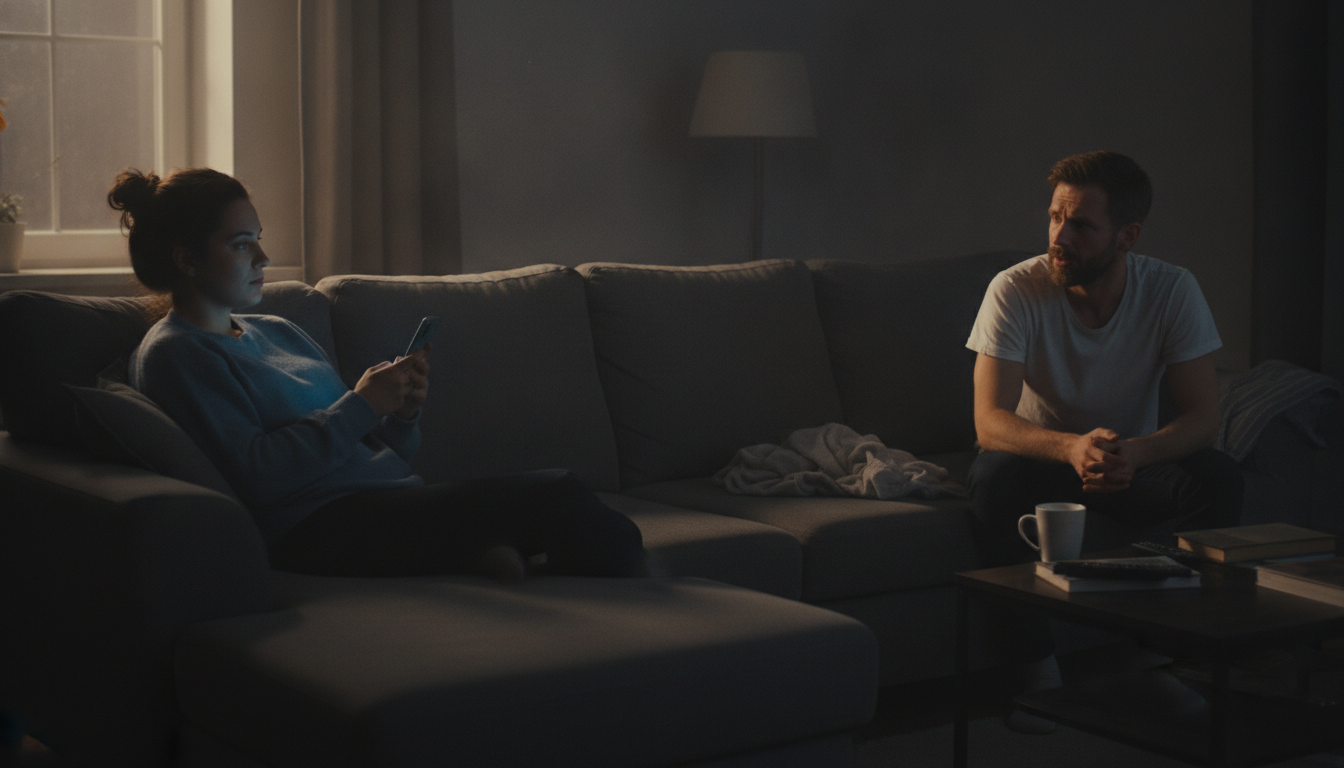
Instead of secretly digging around, you can ask open, non-accusatory questions. Phrases like "I've noticed you've been out later in the evenings lately, what's going on?" land less confrontationally than direct accusations.
According to a 2021 survey by a well-known public opinion research institute, around 40 percent of respondents said that poor communication was a major source of strain in their relationship. That shows just how valuable honest conversations would be, long before suspicion even sets in.
When you suspect your partner is cheating, it's also worth examining your own behavior. Are you projecting your own insecurities onto your partner, or are there genuinely objective reasons for distrust?
Gathering evidence without spying
Paying attention isn't the same as surveillance. You're allowed to notice what's openly visible, like unusual work hours or new habits, without secretly cracking passwords.
It helps to write down your observations, with a date and the specific situation, for example "March 15th, came home three hours later than planned, smelled like unfamiliar perfume." This helps you separate feelings from facts later, when you're ready to have the conversation.
If you're already certain you've caught your partner cheating, the article Caught Your Partner Cheating: How to Respond Calmly offers concrete steps for the next phase.
Checking the trust in your relationship before you escalate
Before you accuse your partner of an affair, it's worth taking an honest look at the overall dynamic of your relationship. Have there been breaches of trust before, or is this current suspicion new and situational?
Sometimes what looks like suspected cheating is really just exhaustion, work stress, or a personal life crisis that has nothing to do with infidelity. A calm, clarifying conversation, with the phone out of reach, often brings more insight than days of overthinking.
If the suspicion is confirmed and a breakup is on the horizon, the article Divorce: The Consequences of Infidelity can help you get a realistic sense of what comes next.
What to do if the suspicion turns out to be true

If suspicion turns into certainty, keeping a cool head matters more than ever. Accusations and spontaneous breakup threats rarely lead to a clear outcome.
Instead, it helps to take time before making a final decision. Some couples even find their way back to each other, as described in the article How an Affair Ended Up Saving a Relationship.
Others consciously choose to end things, ideally handled with respect rather than escalation.
Frequently asked questions
How do I know if my suspicion that my partner is cheating is justified?
Watch for recurring, piled-up signs like secretiveness, distance, and unexplained expenses over several weeks, not isolated incidents.
Am I allowed to check my partner's phone?
Legally and morally, secretly searching someone else's device is problematic and can permanently damage trust. Open conversation is the better path.
How do I bring up my suspicion with my partner?
State concrete observations without accusations, such as changes in timing or behavior, and calmly ask for an explanation.
What if the suspicion turns out to be wrong?
Talk openly about what caused your distrust and figure out together how to avoid misunderstandings going forward.
How long should I observe a suspicion before acting on it?
Several weeks of consistent observation is usually enough to tell the difference between a temporary phase and a real pattern.
Conclusion: Clarity instead of control
When you suspect your partner is cheating, wanting certainty is completely human. Still, it's worth resisting the urge to spy, and combining observation with honest communication instead.
Take your time, organize your observations, and seek out the conversation before jumping to conclusions. That way, you'll end up with a decision you can actually live with going forward.